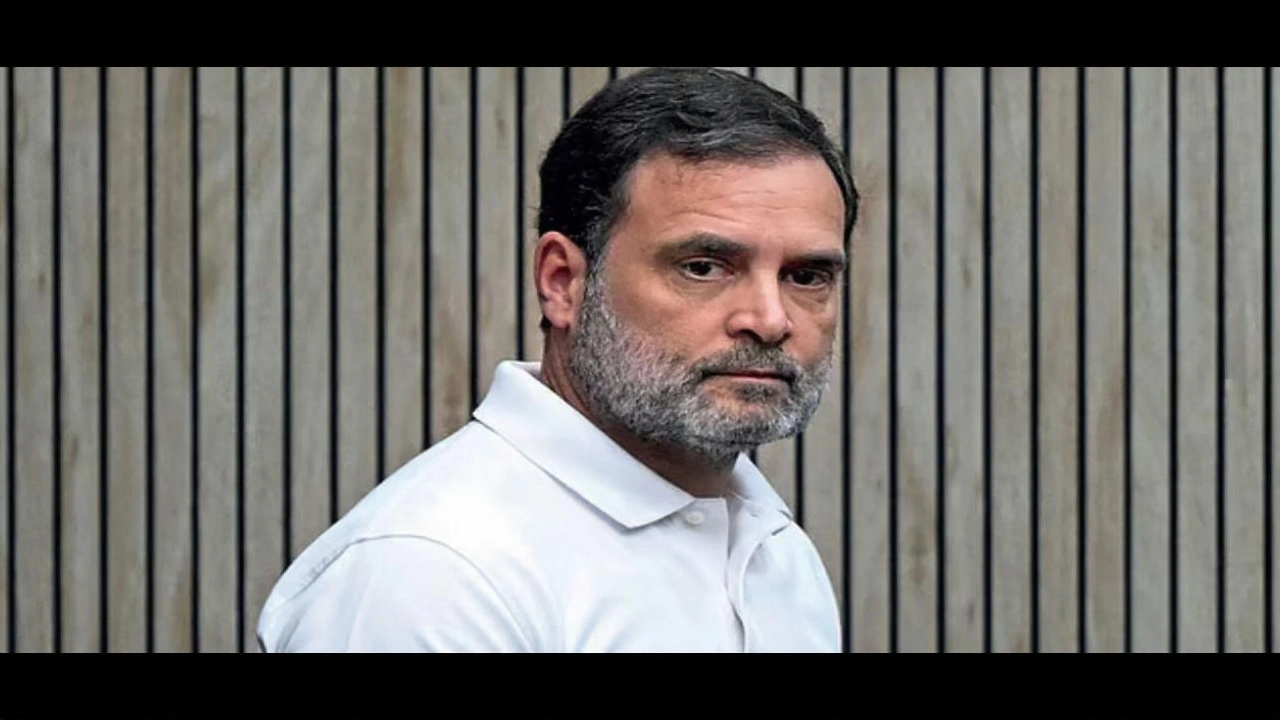
It’s getting heated in Indian politics. Rahul Gandhi, Leader of the Opposition in the Lok Sabha, is now facing dual legal threats after a controversial speech sparked outrage across the country. The issue? Alleged use of the word "traitor" (gaddar) to describe top government officials.
The trouble started on May 20 in Raebareli, Uttar Pradesh. During a rally called the "Bahujan Swabhiman Sabha," Gandhi reportedly told supporters that if RSS workers visited their homes, they should tell them their Prime Minister, Home Minister, and party are "traitors." Turns out, those words didn’t sit well with the ruling party.
The Double Trouble: Court Case and Police Complaint
Here’s the thing: this isn’t just one complaint. It’s two separate legal moves happening simultaneously in different parts of the country. On one side, you have a civil court petition in Uttar Pradesh. On the other, a formal police complaint in Delhi. Both demand an FIR against Gandhi under the new Bharatiya Nyaya Sanhita (BNS).
In Raebareli, Shakil Ahmad Khan, a leader from the Bharatiya Janata Party, filed a petition in a local civil court. He argues that Gandhi’s remarks were not just offensive but damaging to the party’s image and his own personal feelings. The petition specifically asks the court to direct the police at Thana Deh, Sadar Kotwali, and the District Magistrate to register an FIR immediately.
Khan’s argument goes deeper than just hurt feelings. He claims that such language from a national leader creates social tension and disrupts communal harmony. "This attempt to worsen the political atmosphere has adversely affected public sentiment," the petition states. The court, presided over by Judicial Magistrate Vinayshil, has accepted the case for further proceedings and set June 15 as the date for recording statements.
Delhi Moves In: Youth Wing Takes Action
But wait, there’s more action happening in the capital. Abhishek Dubey, spokesperson for the Bharatiya Janata Yuva Morcha, lodged a formal complaint at the Tughlaqabad police station in Delhi. His demand is clear: register an FIR under relevant sections of the BNS for using indecent and offensive language against constitutional authorities.
Dubey’s complaint highlights the severity of calling sitting leaders like Narendra Modi, Prime Minister and Amit Shah, Home Minister, "traitors." The youth wing argues that such rhetoric attacks the dignity of high office and sets a dangerous precedent. Digital reports from Capital TV note that the video discussing this incident has already garnered over 95,000 views, showing how quickly this story spread online.
Political Fallout and State-Level Reactions
The ripple effects are spreading fast. Yogi Adityanath, Chief Minister of Uttar Pradesh, joined the chorus of criticism. While exact quotes weren’t widely circulated initially, it was clear he launched a counter-attack, condemning the remarks as unacceptable. This state-level response adds another layer of pressure on Gandhi.
Analysts point out that this isn’t just about semantics. In India’s charged political environment, labeling opponents as "traitors" crosses a line many consider sacred. It’s not just name-calling; it’s an attack on patriotism itself. That’s why the reaction has been so swift and coordinated.
What Happens Next?
The next few weeks will be crucial. On June 15, the Raebareli court will hear statements from witnesses or the petitioner. Based on that, the judge may decide whether to formally summon Gandhi or direct the police to proceed with the FIR. Meanwhile, in Delhi, the police investigation into Dubey’s complaint will determine if there’s enough evidence to file charges under the new criminal code.
This case could set a significant precedent. If convicted, Gandhi faces potential penalties under the BNS for defamation or promoting enmity between groups. More importantly, it signals how seriously the current administration takes attacks on its leadership. For opposition parties, it raises questions about free speech limits during election campaigns.
Frequently Asked Questions
Why is the word 'traitor' considered so serious in India?
In India, accusing someone of being a traitor implies disloyalty to the nation itself. Given the country's history of partition and ongoing border disputes, patriotism is deeply tied to political legitimacy. Calling elected leaders "traitors" is seen not just as insult, but as undermining national unity and security, which can trigger severe legal consequences under laws protecting public order and national integrity.
What is the Bharatiya Nyaya Sanhita (BNS)?
The Bharatiya Nyaya Sanhita is India’s new criminal code that replaced the colonial-era Indian Penal Code (IPC) in July 2024. It modernizes definitions of crimes and punishments while retaining core principles. In this case, prosecutors are likely looking at sections related to defamation, promoting enmity between groups, or outraging religious sentiments, depending on how the remarks are interpreted legally.
Will Rahul Gandhi face immediate arrest?
Unlikely at this stage. First, the courts must accept the petitions and direct police to register FIRs. Then, investigations occur before any arrest warrants are issued. As a Member of Parliament, Gandhi also enjoys certain procedural protections. Historically, politicians often negotiate bail or seek stays through higher courts rather than facing immediate detention for speech-related cases.
How does this affect the upcoming elections?
This controversy plays directly into pre-election narratives. The BJP frames it as proof of the Congress party’s disrespect for institutions, potentially swaying moderate voters. Conversely, Congress supporters might view the legal action as political persecution designed to silence dissent. Such incidents tend to polarize the electorate further, making neutral swing voters harder to reach.
Has anyone else faced similar legal action for speech?
Yes, several politicians have faced lawsuits for inflammatory speeches. Recently, cases involving allegations against specific communities or religions have led to arrests. However, targeting sitting heads of government with terms like "traitor" is less common and carries higher stakes due to the symbolic weight of those offices. Precedents suggest courts take such matters very seriously when national unity is invoked.