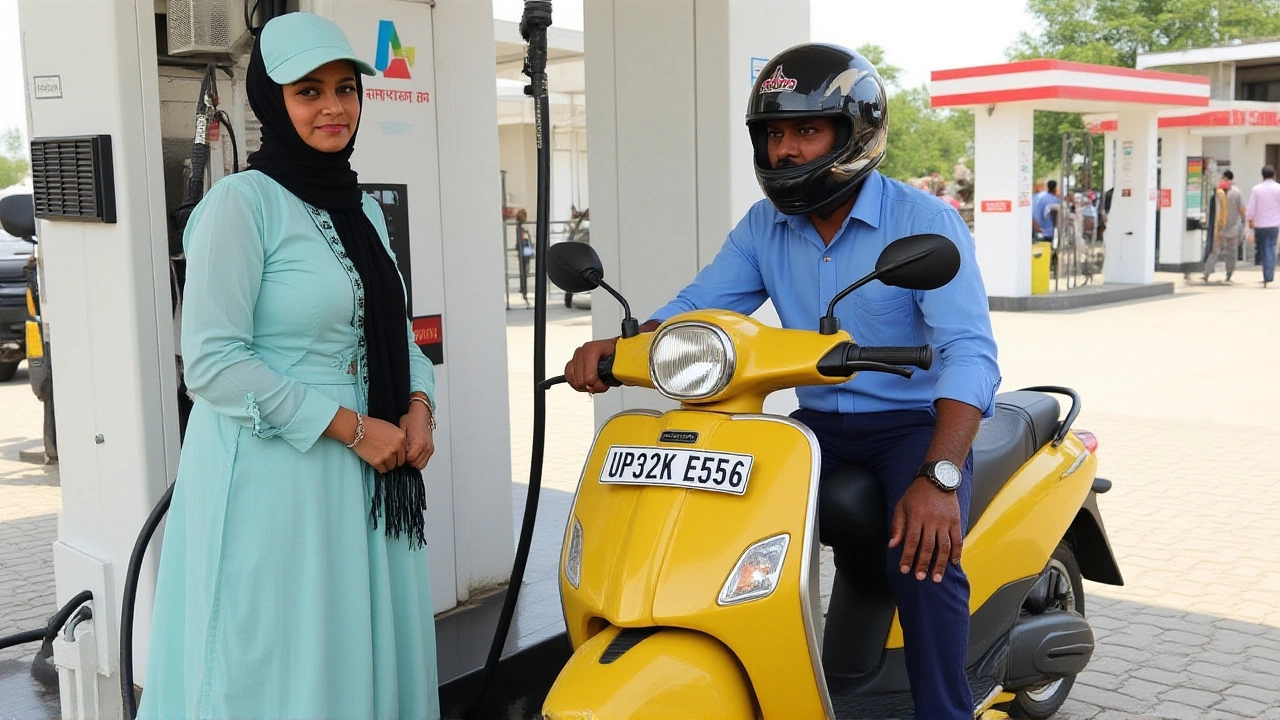
It’s a psychological barrier that no driver wants to see crossed. On the morning of May 25, 2026, petrol prices in Lucknow, Uttar Pradesh officially breached the ₹100 per liter mark. For commuters already feeling the pinch, this wasn’t just another decimal adjustment—it was a full-blown budget shocker.
The new rates, effective from 6:00 AM on May 25, pushed regular petrol to approximately ₹101.89–₹102.05 per liter. Diesel followed suit, climbing to ₹95.36 per liter. Here’s the thing: this is the fourth time fuel prices have risen in just ten days. Turns out, the wallet drain isn’t slowing down anytime soon.
A Staggering Spike in Just Two Weeks
Let’s look at the numbers, because they’re frankly staggering. If you filled up your tank on May 14, 2026, you paid ₹94.69 per liter for petrol. Fast forward eleven days to May 25, and that same liter costs ₹101.79 (with some stations quoting up to ₹102.05). That’s a jump of ₹7.20 in barely two weeks.
Diesel hasn’t been spared either. It moved from ₹87.81 per liter on May 14 to ₹95.36 today—a total increase of ₹7.55. The single-day hike on May 25 alone added ₹2.61 to petrol and ₹2.72 to diesel. Oddly enough, premium fuels are seeing even sharper rises. XP95 petrol is now trading at ₹110.47 per liter, while Extra Green (XG) diesel has crossed its own century mark at ₹100.97.
The data from independent tracking websites confirms this volatility. On May 1, petrol was sitting at a relatively manageable ₹94.96. By May 24, it had crept to ₹99.28. Then came the May 25 spike. The pattern is clear: small, incremental hikes that accumulate into a massive burden over short periods.
Who Pays the Price?
This isn’t just about math; it’s about livelihoods. Local reports highlight that office-goers, auto-rickshaw drivers, and cab operators are reeling. When transport costs go up, everything else follows. Grocery deliveries, local commuting, and logistics all become more expensive.
“The common man’s budget has been completely shaken,” noted one anchor summarizing the ground reality. Auto drivers, who operate on thin margins, face a double whammy: higher input costs and potentially lower demand as passengers cut back on non-essential travel. For salaried employees, the daily commute to work in Lucknow now eats up a significantly larger chunk of their monthly income.
A Nationwide Trend
Lucknow isn’t an isolated case. This price surge is part of a broader national trend driven by global crude oil fluctuations and currency dynamics. Data from May 25 shows similar spikes across major Indian cities:
- Bhopal: Petrol at ₹114.54/liter (up ₹2.85)
- Bengaluru: Petrol at ₹110.93/liter (up ₹2.84)
- Chennai: Petrol at ₹107.77/liter (up ₹2.39)
- Agra: Petrol at ₹101.64/liter (up ₹2.44)
- Agartala: Petrol at ₹105.17/liter (up ₹2.98)
Even cities with historically lower taxes, like Daman (₹99.50), saw increases. The uniformity of these hikes suggests coordinated pricing adjustments by major oil marketing companies rather than localized tax changes.
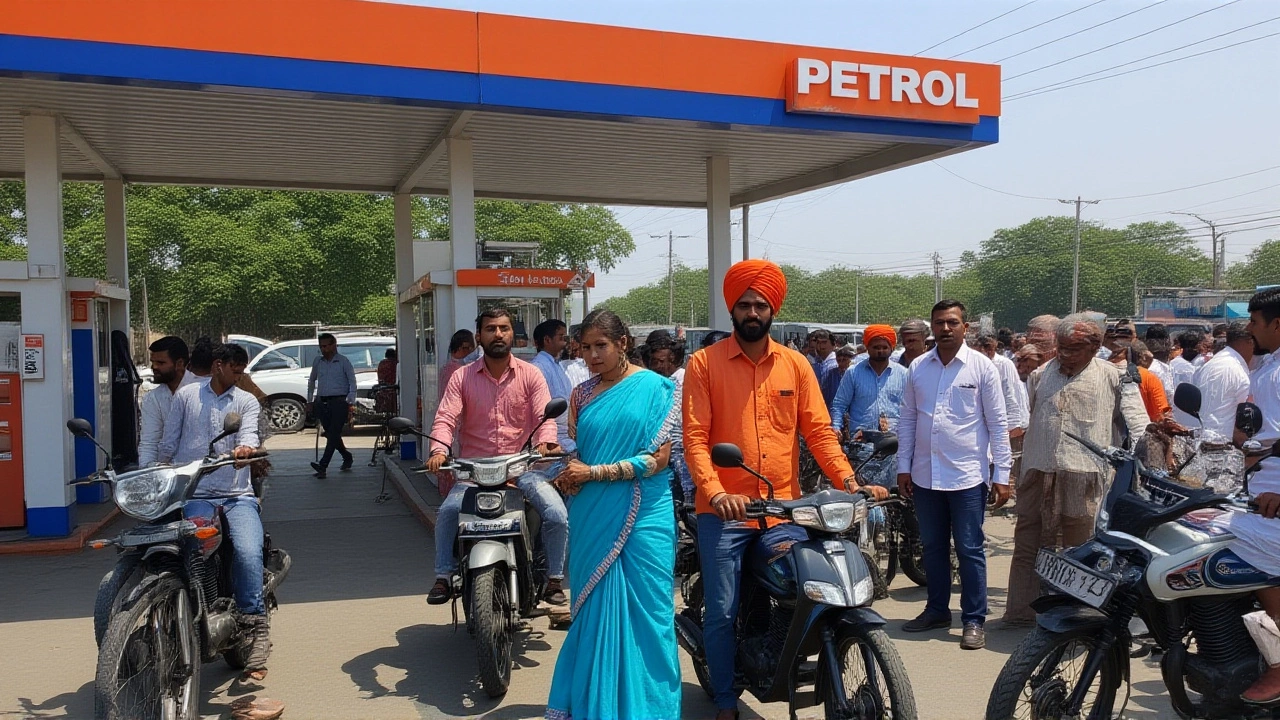
Why Is This Happening Now?
While specific corporate statements weren’t detailed in the immediate reports, such rapid successive hikes usually point to rising international crude benchmarks or a weakening rupee against the dollar. Oil marketing companies revise prices daily based on these global factors. The frequency of these revisions—four times in ten days—is unusual and indicates high volatility in the underlying markets.
Experts suggest that without a stabilizing mechanism or government intervention via tax cuts, consumers will continue to bear the brunt of global energy market swings. The "why this matters" angle here is simple: inflation. Fuel prices directly impact the cost of goods and services, feeding into broader inflationary pressures that affect everyone, not just drivers.
What’s Next?
For now, there’s no indication of a reversal. With petrol hovering above ₹102 in Lucknow, the next few days will be critical. Commuters are advised to monitor daily rates closely, as further minor adjustments are likely given the current trend. The key question remains: will policymakers step in to cushion the blow, or will market forces dictate the pace?
Frequently Asked Questions
How much did petrol price increase in Lucknow on May 25, 2026?
On May 25, 2026, the price of regular petrol in Lucknow increased by ₹2.61 per liter, pushing the total rate to approximately ₹101.89–₹102.05 per liter. This marked the first time the price consistently stayed above the ₹100 threshold in recent history.
Is this the only city facing such high fuel prices?
No, this is a nationwide trend. Cities like Bhopal (₹114.54), Bengaluru (₹110.93), and Chennai (₹107.77) also recorded significant hikes on the same day. While Lucknow’s prices are lower than southern and central Indian metros due to varying state taxes, the upward trajectory is consistent across India.
How many times have prices risen in the last 10 days?
Fuel prices in Lucknow have been revised upwards four times in just ten days. Between May 14 and May 25, petrol jumped by ₹7.20 per liter, demonstrating an unusually aggressive pricing strategy by oil companies during this period.
What is the impact on public transport and autos?
Auto-rickshaw and cab drivers are severely impacted as their operational costs rise immediately. Since fares don’t always adjust instantly to match fuel hikes, drivers face reduced profit margins. This often leads to informal fare increases or reluctance to take long trips, affecting daily commuters.
Are premium fuels like XP95 also getting more expensive?
Yes, premium fuels saw sharp increases too. XP95 petrol reached ₹110.47 per liter, and Extra Green (XG) diesel hit ₹100.97 per liter in Lucknow. These variants typically track standard fuel prices but with a higher base margin, meaning absolute rupee hikes can be larger.