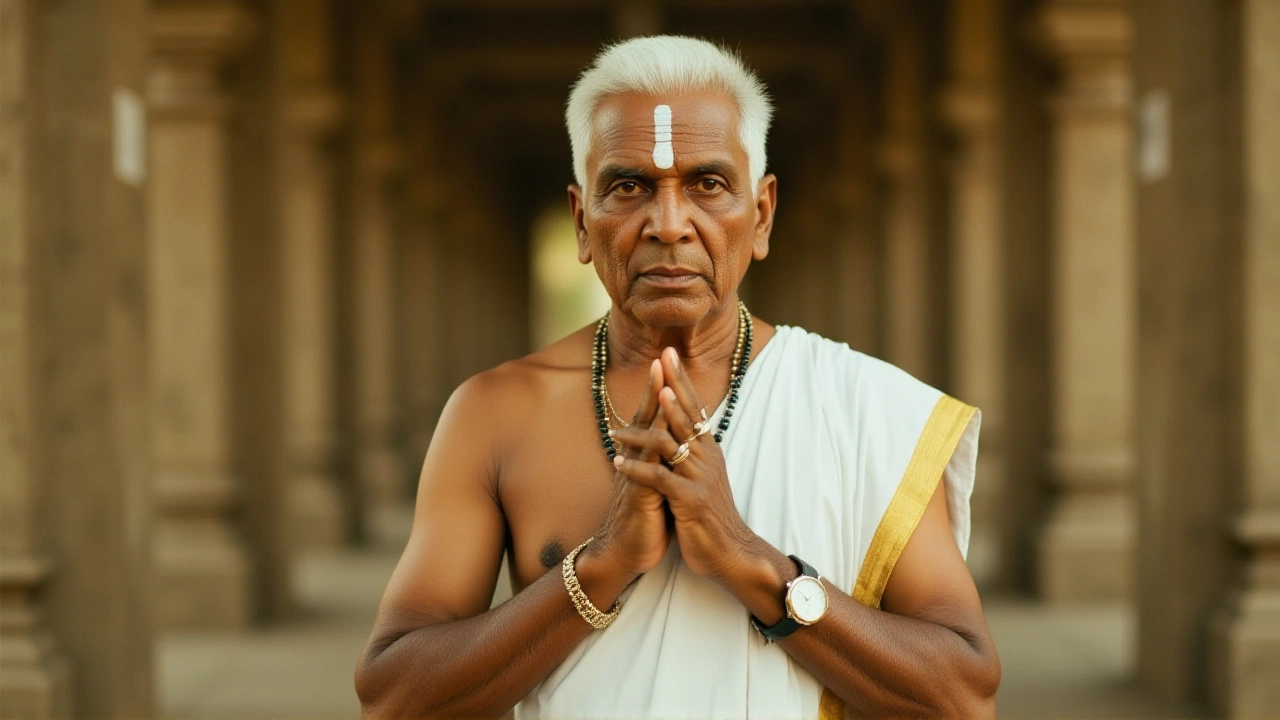
When the Government of India announced its civilian awards for 2026, one name stood out not for political influence or corporate wealth, but for a lifetime spent in the quiet devotion of temple music. N. Swaminathan, traditional Tamil pann isai artist has been selected to receive the Padma Shri, one of the country’s highest civilian honors. The recognition, confirmed by news outlets including IBC24, highlights his extraordinary contribution to preserving the ancient art of Tirumurai bhajans.
Here’s the thing about Swaminathan’s achievement: it isn’t just about singing well. It’s about memory and service on a scale that’s hard to comprehend. Reports indicate he has memorized approximately 9,000 devotional songs (bhajans) and has been teaching music within a temple setting for 26 continuous years. In an era where digital playlists replace oral tradition, this kind of dedication feels almost revolutionary.
The Weight of 9,000 Songs
To put that number into perspective, imagine learning a new song every single day for over 24 years without forgetting a single note. That’s essentially what N. Swaminathan has done. His repertoire isn’t random; it’s deeply rooted in the Oduvar Tradition, a centuries-old practice where temple musicians serve as both performers and spiritual guides.
The specific style he masters is known as Tamil Pann Isai. Unlike classical Carnatic music performed on concert stages, Pann Isai is intrinsically linked to temple rituals. It’s music meant to be heard in sacred spaces, often accompanying daily prayers and festivals. By keeping this tradition alive through performance and education, Swaminathan has ensured that these melodies haven’t faded into history books.
"His work bridges the gap between ancient textual preservation and living musical practice," noted cultural analysts reviewing the award list. "He doesn’t just sing the songs; he keeps the lineage breathing."
Two Decades of Temple Teaching
While the sheer volume of his memorized repertoire is staggering, it’s his commitment to education that truly defines his legacy. For 26 years, Swaminathan has taught music directly within the temple environment. This isn’t a formal classroom with textbooks and exams. It’s apprenticeship-style learning, passed down from teacher to student in the same way knowledge was shared for generations before him.
This long-term presence in the temple community has made him a pillar of local culture. He hasn’t just preserved songs; he’s trained a new generation of singers who can carry the torch forward. The hashtag #TiruttaniSwaminathan, which gained traction on social media following the announcement, reflects how deeply he is associated with his regional roots while achieving national acclaim.
Why This Matters Now
In recent years, there has been a growing concern among scholars about the erosion of traditional Indian art forms. Many niche genres are dying out because younger generations prefer mainstream entertainment. Swaminathan’s selection for the Padma Shri sends a powerful message: the government recognizes and values these grassroots cultural guardians.
It also shines a light on the often-overlooked role of temple musicians. While star playback singers get the fame, artists like Swaminathan operate in the shadows, ensuring that religious ceremonies retain their authentic sonic texture. His award validates their crucial role in India’s cultural ecosystem.
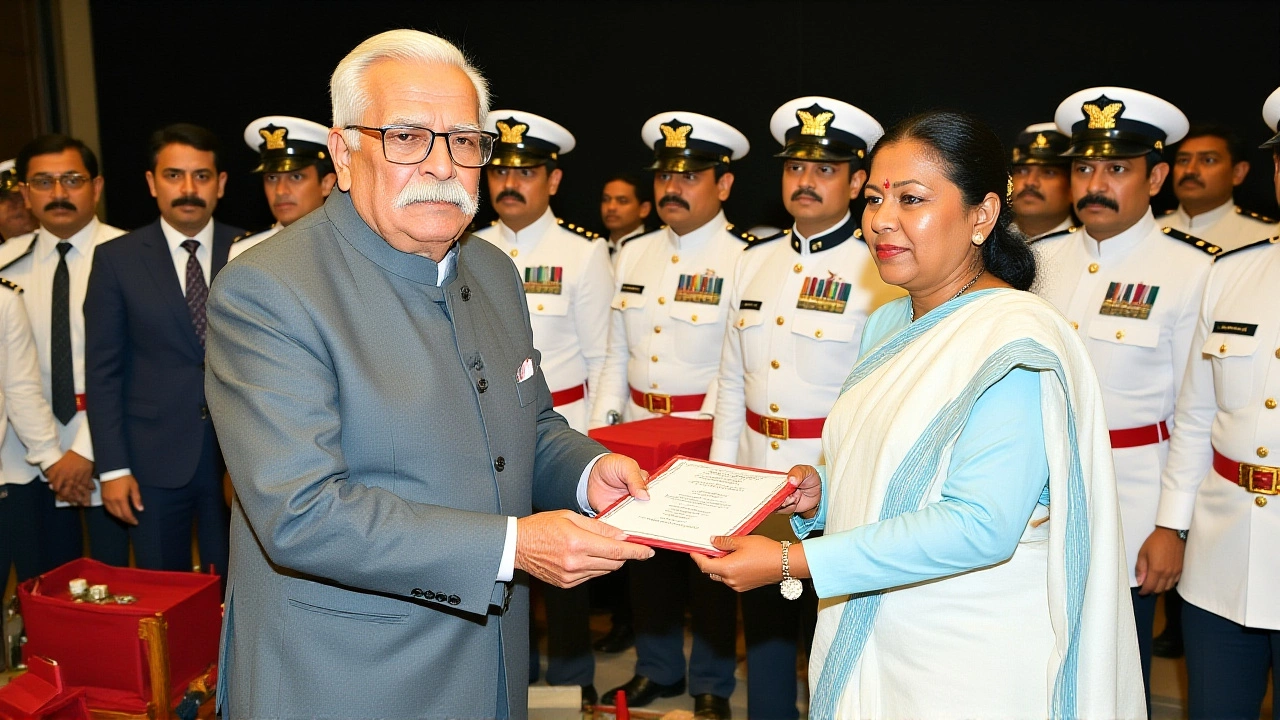
From Local Devotion to National Recognition
The journey from a temple musician to a Padma Shri awardee is rare. Usually, such honors go to politicians, industrialists, or famous film stars. But the 2026 awards cycle seems determined to highlight diverse contributions to society. By honoring N. Swaminathan, the state acknowledges that cultural preservation is as vital as economic growth or scientific innovation.
The coverage by Hindi-language news networks like IBC24 underscores the pan-Indian appeal of his story. Even those unfamiliar with Tamil traditions can appreciate the discipline required to memorize thousands of compositions. It’s a universal testament to human potential and dedication.
Interestingly, the timing of this announcement coincides with renewed interest in intangible cultural heritage. UNESCO and various Indian ministries have been pushing for better documentation of folk and temple arts. Swaminathan’s life work serves as a perfect case study for why these efforts matter.
What’s Next for Pann Isai?
With this national spotlight, expectations are high. Will more resources flow into supporting temple musicians? Will academic institutions begin documenting the Pann Isai repertoire more rigorously? Only time will tell. However, one thing is certain: N. Swaminathan’s name will now be remembered alongside other great custodians of Indian culture.
For his students, this moment is vindication. Their years of rigorous training under his guidance have led to a historic milestone. As they continue to teach and perform, they carry not just the weight of 9,000 songs, but the pride of a master recognized by the nation.
Frequently Asked Questions
Who is N. Swaminathan?
N. Swaminathan is a distinguished traditional Tamil pann isai artist and temple musician. He is renowned for memorizing approximately 9,000 devotional songs (bhajans) and for teaching music within a temple setting for 26 years. He has been selected to receive the Padma Shri award in 2026 for his contributions to preserving the Tirumurai bhajan tradition.
What is Tamil Pann Isai?
Tamil Pann Isai is a traditional form of devotional music originating from Tamil Nadu, closely associated with temple rituals and the Tirumurai hymns. Unlike stage-based Carnatic music, it is performed primarily within temples as part of worship services, serving both spiritual and artistic functions.
Why did N. Swaminathan receive the Padma Shri?
He received the Padma Shri for his significant contributions to the preservation and musical presentation of traditional Tamil pann isai. His decades-long service in teaching temple music and his mastery of a vast repertoire of 9,000 bhajans were cited as key reasons for the honor.
What is the Oduvar Tradition?
The Oduvar Tradition refers to the community of hereditary temple musicians in Tamil Nadu who specialize in chanting and singing devotional hymns during religious ceremonies. These musicians play a critical role in maintaining the acoustic and spiritual atmosphere of Hindu temples.
How many bhajans has N. Swaminathan memorized?
According to news reports and headlines surrounding his award, N. Swaminathan has memorized approximately 9,000 bhajans. This extensive repertoire includes various compositions from the Tirumurai and other devotional sources central to the Tamil Pann Isai tradition.