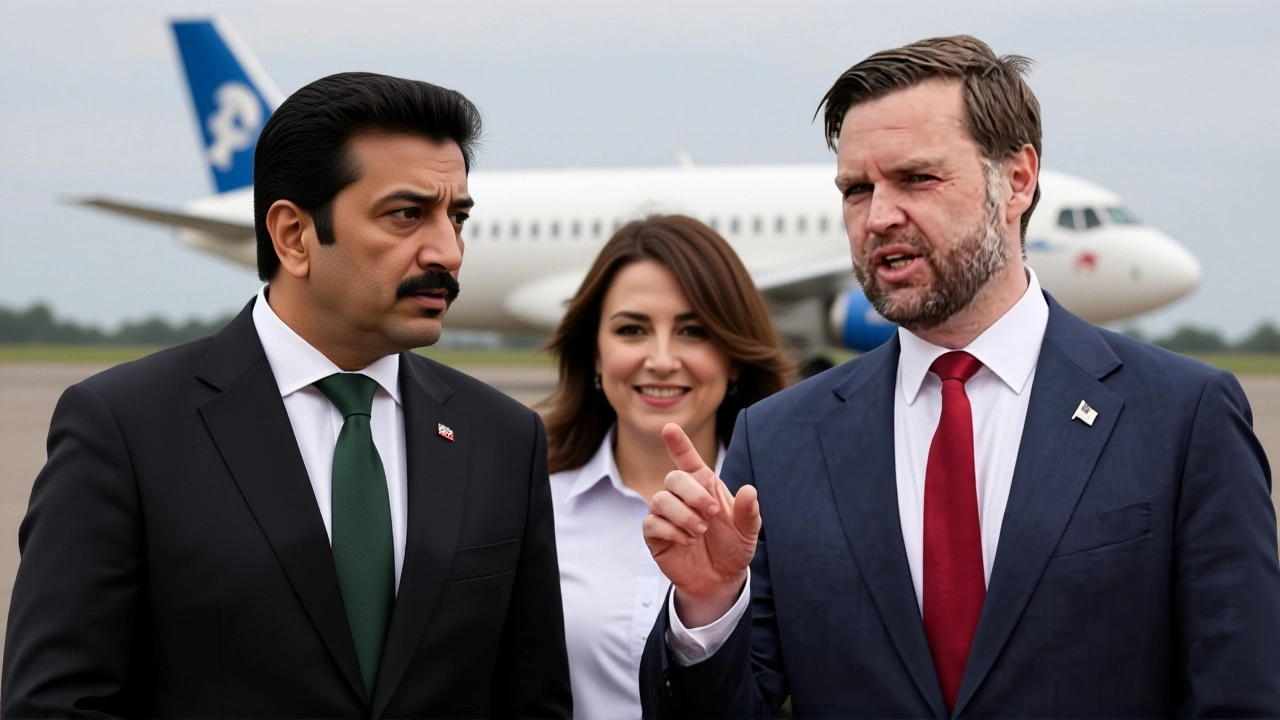
When Shehbaz Sharif, Prime Minister of Pakistan, steps onto the global stage in New York this week, all eyes will be on his scheduled meeting with Donald Trump, President of the United States. The Pakistani Foreign Ministry confirmed Sunday that Sharif will join leaders from several Muslim-majority nations for high-level talks focused on regional stability and international security. It’s a diplomatic maneuver that signals Islamabad’s attempt to recalibrate its relationship with Washington amidst shifting geopolitical tides.
The visit coincides with the 80th Session of the United Nations General AssemblyNew York City, where Sharif is set to deliver a major address. But here’s the thing: the agenda goes far beyond standard pleasantries. Sharif plans to highlight what he describes as "prolonged occupation and violations of self-determination," specifically targeting the situations in Palestine and Kashmir. He’ll also tackle broader issues like terrorism, climate change, Islamophobia, and sustainable development.
Diplomatic Maneuvers in New York
Sharif’s itinerary is packed. Beyond the general debate, he’ll participate in meetings of the United Nations Security Council, engage in the Global Development Initiative (GDI) high-level segment, and attend special sessions on climate action. The goal? To position Pakistan not just as a regional player, but as a voice for developing nations facing existential threats.
But wait—the backdrop to these official engagements is noisy. Viral video reports circulating online paint a complex, sometimes contradictory picture of Sharif’s interactions with Trump. One widely shared clip claims Trump stated he saved Sharif’s life during a fictional "Operation Sindoor," alleging that without his intervention, 30 million people might have died. Another report from the Gaza Peace Summit in Sharm el-Sheikh shows Sharif praising Trump as the "Man of Peace," suggesting that without American mediation, the nuclear capabilities of India and Pakistan could have led to catastrophe.
These narratives are intense. They suggest a dynamic where personal diplomacy plays outsized role in statecraft. Whether these clips reflect reality or sensationalized media spin remains unclear, but they underscore the high stakes involved in every handshake between Islamabad and Washington.
The Controversy Over 'Operation Sindoor'
Let’s unpack the "Operation Sindoor" claim. No official record exists of such a military operation involving Pakistan and the US. Yet, the video description alleges Trump publicly credited himself with saving Sharif and preventing mass casualties. If true, this would be an extraordinary admission of unilateral intervention in South Asian affairs. However, no transcript, date, or venue accompanies these claims. It’s the kind of detail that leaves journalists scratching their heads—plausible enough to spark debate, yet lacking verifiable evidence.
Then there’s the footage from Sharm el-Sheikh, Egypt. There, Sharif was seen adopting a deferential posture toward Trump, calling him a peacemaker. In one moment captured on camera, Sharif reportedly said, "If this gentleman weren’t here… who knows what would happen given India and Pakistan are nuclear powers." This statement, if accurate, frames Trump not just as a political ally, but as a critical buffer against regional conflict. For critics, it looks like submission; for supporters, it’s pragmatic realism.
Tensions at the Board of Peace Summit
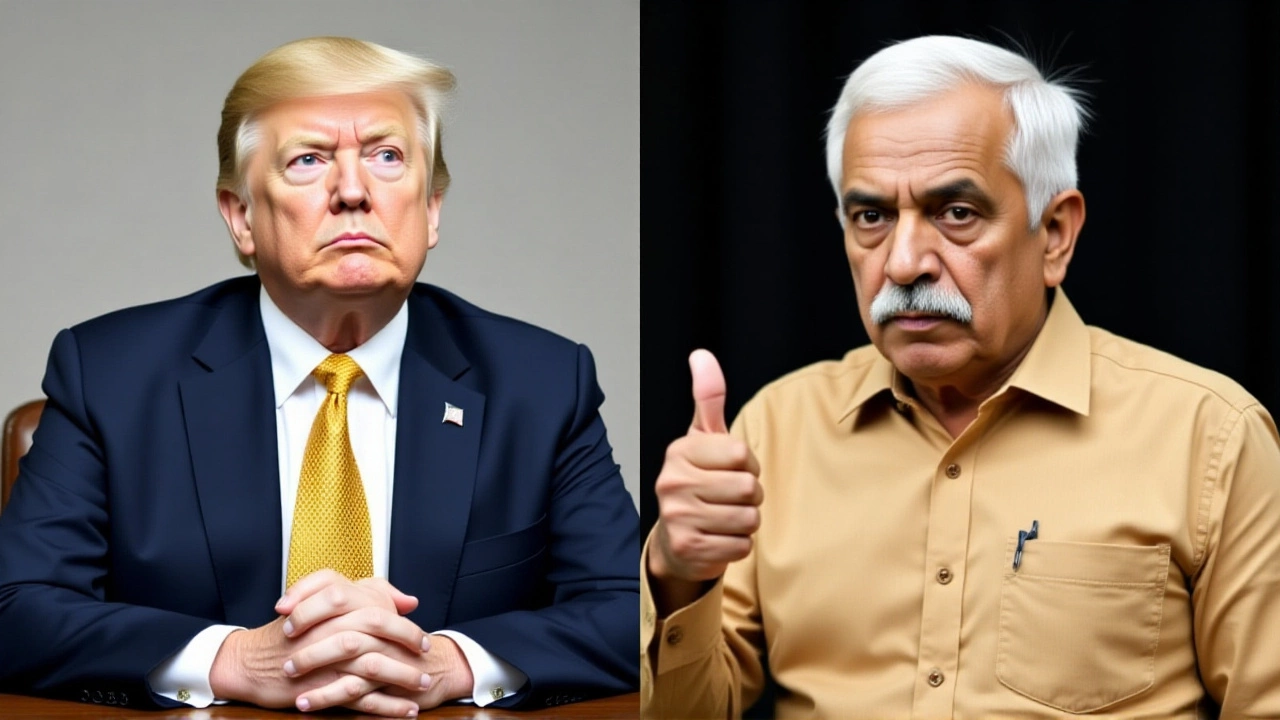
Things got even more awkward in Washington D.C. during the inaugural meeting of the so-called "Board of Peace." According to analysis by Dr. Manish Kumar on Capital TV, Sharif appeared tense during group photos with Trump and other world leaders representing over 45 countries. Some observers interpreted his body language as being "cornered" or sidelined—a symbolic reflection of Pakistan’s uncertain footing in Gaza-related diplomacy.
This isn’t just about photo ops. It’s about perception. When a leader appears uneasy next to a powerful counterpart, it sends signals to allies and adversaries alike. Does Pakistan hold leverage? Or is it playing catch-up? These questions linger long after the cameras stop rolling.
Why This Matters Now
The timing couldn’t be more delicate. With tensions simmering across South Asia and Middle Eastern conflicts spilling over into global energy markets, every word spoken by Sharif carries weight. His focus on Kashmir and Palestine aligns with longstanding Pakistani foreign policy priorities—but doing so under Trump’s watch adds another layer of complexity. After all, Trump has historically favored bilateral deals over multilateral frameworks, often sidelining traditional alliances.
And let’s not forget the domestic angle. Back home, Sharif faces mounting pressure to deliver tangible results. Can he balance appeasing Washington while standing firm on contentious issues like Kashmir? That’s the tightrope walk ahead.
What Comes Next?
All eyes now turn to New York. Will Sharif secure concrete commitments from Trump on trade, defense cooperation, or humanitarian aid? Or will the meetings yield little more than polite exchanges? Analysts predict mixed outcomes. On one hand, economic interests bind both nations. On the other, ideological differences remain stark.
One thing is certain: whatever happens at the UN will ripple through South Asian politics for months to come. And if history teaches us anything, it’s that diplomacy rarely follows a straight line.
Frequently Asked Questions
Who is Shehbaz Sharif meeting at the UN?
Shehbaz Sharif, Prime Minister of Pakistan, is scheduled to meet U.S. President Donald Trump alongside leaders from several Muslim-majority countries. The discussions aim to address regional security concerns and strengthen bilateral ties between Islamabad and Washington.
What will Sharif discuss in his UNGA speech?
In his address to the 80th session of the United Nations General Assembly, Sharif plans to emphasize issues related to prolonged occupation and self-determination rights, particularly focusing on Kashmir and Palestine. He will also touch upon global challenges like climate change, terrorism, and sustainable development.
Is there any truth to the 'Operation Sindoor' claims?
There is no verified information regarding an event called "Operation Sindoor." Claims suggesting Donald Trump intervened to save Sharif’s life appear unsubstantiated and lack credible sources. Such narratives seem to stem from viral videos rather than official records.
How does Pakistan view its relationship with the US currently?
Pakistan seeks to rebuild trust with the United States, especially under Trump’s leadership. While past administrations prioritized counterterrorism partnerships, current efforts focus on balancing strategic autonomy with economic collaboration. Recent gestures indicate mutual interest in stabilizing South Asian geopolitics.
What impact could these meetings have on Kashmir?
While direct resolutions may not emerge immediately, raising Kashmir at the UN keeps international attention on human rights abuses in the region. Any support from influential figures like Trump could embolden Pakistan’s stance and encourage further dialogue among stakeholders.